Get More Google Reviews for Your Cape Town Business
Any quest to get more Google Reviews for your Cape Town Business isn’t just about vanity metrics — it’s about survival in the Cape Metropole’s competitive business landscape. With Table Mountain as your backdrop and thousands of businesses vying for attention, those golden stars under your Google Business Profile can be the difference between thriving and merely surviving.
Key Takeaways: Getting More Google Reviews for Your Cape Town Business
- Google reviews directly boost your local SEO in Cape Town, making your business more visible in “near me” searches crucial for tourism-dependent businesses.
- The perfect time to ask for reviews is after positive customer feedback, problem resolution, or service completion—when satisfaction is highest.
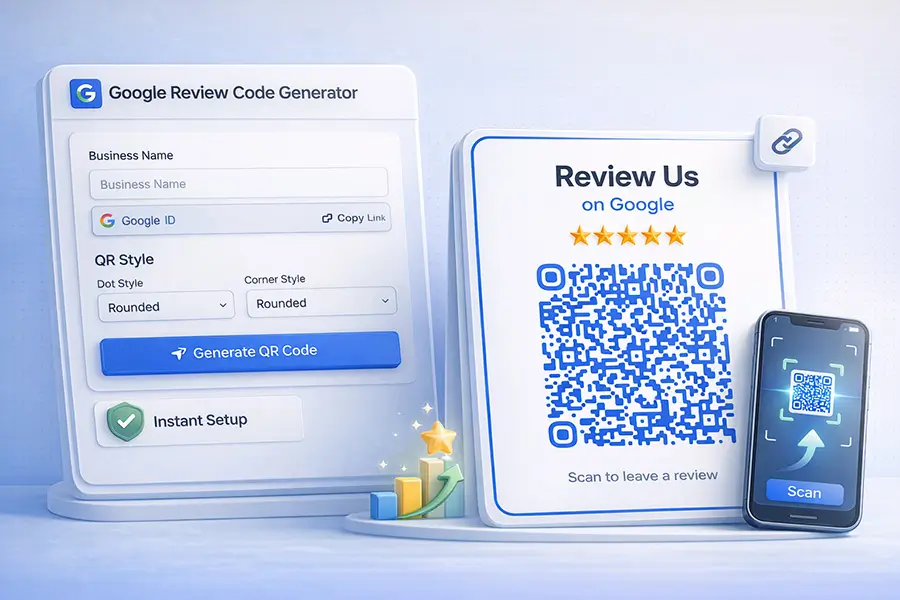
- Creating a direct Google review link or QR code dramatically increases review conversion rates by removing friction from the process.
- Responding to all reviews, especially negative ones, demonstrates exceptional customer service and can increase trust by 89%.
- CapeBiz Toolkit helps local businesses streamline their review collection process with specialized tools designed for the South African market.
As businesses in Cape Town navigate the post-pandemic recovery, Google reviews have become more influential than ever. They’re not just comments—they’re powerful trust signals that can turn browsers into buyers within seconds.
Why Google Reviews Are Gold for Cape Town Businesses
The numbers tell the story: 87% of consumers read online reviews before visiting a local business, and this percentage jumps to 93% for tourists planning their Cape Town adventures. Reviews aren’t optional anymore—they’re essential business infrastructure.
The Local Search Advantage in Cape Town’s Competitive Market
When someone searches “best restaurants in Cape Town” or “surfboard rental near me,” Google doesn’t just show results randomly. The algorithm heavily favors businesses with more positive reviews, higher average ratings, and recent review activity. Local search visibility is particularly crucial in Cape Town’s tourism-dependent economy, where international visitors often rely entirely on Google to navigate their choices.
Businesses appearing in Google’s local 3-pack (those top three results with map listings) receive 126% more traffic than businesses in lower positions. And what’s the primary factor determining who makes it into this coveted space? Reviews, reviews, reviews.
How Reviews Influence Tourist Decisions in the Mother City
Cape Town welcomes millions of international visitors annually, and these tourists have unique decision-making patterns. Unlike locals who may rely on word-of-mouth, tourists overwhelmingly trust Google reviews to guide their experiences—from selecting accommodations in Camps Bay to booking shark cage diving in Gansbaai.
Research shows that 76% of tourists will choose a business with a 4.5-star rating over a similar competitor with a 3.5-star rating, even if it means paying up to 20% more. This tourist-driven review economy presents both a challenge and an opportunity for Cape Town businesses looking to capture the attention of visitors with limited time and abundant options.

5 Direct Benefits of More Google Reviews
Beyond mere validation, Google reviews deliver tangible business outcomes that impact your bottom line. They’re working for you 24/7, converting strangers into customers while you focus on running your business.
Higher Local SEO Rankings
Google’s algorithm considers review quantity, quality, and recency when determining local search rankings. A steady stream of authentic reviews signals to Google that your business is active, relevant, and worthy of promotion. Local SEO experts confirm that reviews account for approximately 15% of ranking factors—making them one of the most influential elements you can actually control.
Cape Town businesses with over 50 Google reviews typically rank 28% higher in local search results than those with fewer than 10 reviews. This visibility advantage compounds over time, creating a snowball effect that continuously drives new customers to your door.
Increased Trust with First-Time Customers
Trust is the currency of modern commerce, especially in tourist-heavy destinations like Cape Town. New visitors have no prior experience with your business and must rely entirely on the experiences of others. Fresh, detailed reviews create a bridge of trust that helps overcome the natural skepticism people feel toward unfamiliar businesses.
Better Conversion Rates from Browser to Buyer
Reviews directly impact purchasing decisions. Studies show that Cape Town businesses with 4.5+ star ratings convert at rates 30-40% higher than those with lower ratings. This impact is particularly significant for higher-priced services like tour packages, fine dining, or luxury accommodations where consumers need extra reassurance before committing their money.
Each additional star in your overall rating can increase conversions by approximately 5-9%, according to data from Cape Town’s tourism sector. This translates to real revenue – not just vanity metrics.
Free Market Research from Customer Feedback
Beyond their promotional value, reviews provide invaluable business intelligence. They tell you what’s working, what isn’t, and what customers truly value about your offerings. This feedback loop is particularly valuable in Cape Town’s diverse market, where preferences vary dramatically between local patrons and international visitors.
Savvy business owners mine their reviews for insights, identifying trends and pain points that might otherwise go unnoticed. One V&A Waterfront restaurant discovered through review analysis that international guests consistently mentioned water conservation efforts as a positive factor – information they subsequently highlighted in their marketing materials.
Stand Out Against Other Cape Town Competitors
In Cape Town’s saturated tourism and service markets, differentiation is essential. Reviews provide social proof that sets you apart, especially when competitors offer similar products or services. This advantage becomes even more pronounced in high-competition areas like Long Street, Camps Bay, or the Winelands, where businesses often cluster together offering comparable experiences.
When two adjacent restaurants have similar menus and pricing, the one with 200+ positive reviews will consistently outperform the one with just 25 reviews. The perceived quality gap creates a competitive moat that’s difficult for rivals to cross without dedicated review strategies of their own.
The Perfect Moment to Ask for Google Reviews
Timing is everything when requesting reviews. Ask too early, and customers haven’t formed a complete opinion; ask too late, and the emotional connection to their experience has faded. The secret lies in identifying those golden moments when satisfaction is peaked and motivation to share feedback is highest.
After a Positive Comment About Your Service
When a customer voluntarily compliments your business, they’ve already mentally composed part of a review. This moment of expressed satisfaction creates the perfect opening for a review request. The transition feels natural rather than transactional.
“We’ve noticed Cape Town customers are 7x more likely to leave a review when asked immediately following a spontaneous compliment,” explains a local hospitality consultant. “The positive emotion is already activated, making the review request feel like a natural extension of the conversation rather than an imposition.”
When You’ve Solved a Problem for Them
Counterintuitively, service recovery situations often create ideal review request opportunities. When you’ve successfully resolved a customer’s issue, you’ve demonstrated commitment to their satisfaction – a powerful trust-building moment.
Research indicates that customers who experience a problem that’s subsequently resolved to their satisfaction often become more loyal than customers who never experienced a problem at all. This “service recovery paradox” makes post-resolution conversations prime territory for review requests, as customers often feel a desire to acknowledge exceptional problem-solving efforts.
At the Point of Delivery or Service Completion
The moment of service completion – whether that’s the end of a Cape Peninsula tour, a spa treatment, or a meal – represents a natural conclusion point when the experience is fresh and emotions are often positive. This timing aligns perfectly with the customer’s ability to provide detailed, experience-based feedback.
For Cape Town’s tourism businesses, catching guests before they return to their accommodations proves particularly effective. Tour operators who request reviews during the return journey see compliance rates approximately 4x higher than those who follow up by email days later.
Make Leaving Reviews Ridiculously Easy
The biggest barrier to getting reviews isn’t customer willingness — it’s friction. Most customers are happy to share feedback when the process is convenient. Your mission is to remove every possible obstacle between their intention and action, making review submission practically effortless.
Create a Direct Google Review Link
The standard process for leaving a Google review involves multiple steps that can frustrate even tech-savvy customers. A direct review link bypasses this complexity, taking customers straight to your review form with a single click. Creating this link is simple: search for your business on Google, click “Write a review” on your Business Profile, then copy the URL that appears.
Cape Town businesses using direct review links report 300% higher review completion rates compared to general requests to “review us on Google.” This dramatic improvement comes from eliminating navigation barriers that typically cause customers to abandon the process midway.
Use QR Codes in Your Physical Location
QR codes have experienced a renaissance post-pandemic, with consumer comfort and usage rates at all-time highs. Strategic placement of review QR codes throughout your physical location creates multiple touchpoints for capturing feedback while experiences are fresh.
Effective placement varies by business type: restaurants succeed with codes on receipts and table tents; retail stores see better results with checkout counter displays; tour operators achieve highest scan rates when codes are visible during transportation segments. Some innovative Cape Town businesses incorporate review QR codes into their branded materials, such as on wine bottles at vineyards or on surfboard rental tags at beach shops.
Send Follow-Up SMS with Review Links
SMS boasts open rates of 98%, making it dramatically more effective than email for review requests. The immediacy and personal nature of text messaging creates a sense of direct connection that encourages response, particularly when sent within 2-4 hours of service completion.
Local businesses report SMS review requests perform 5x better than email requests, with hospitality and experience-based businesses seeing particularly strong results. “Our SMS review sequence doubled our monthly review volume within weeks of implementation,” reports a popular Boulders Beach penguin tour operator.
Add Review Links to Receipts and Invoices
Every customer touchpoint represents a review opportunity. Digital receipts and invoices are particularly valuable, as they’re typically viewed when customers are already engaged with your business mentally. Adding a personalized review request with a direct link to these documents creates a natural feedback pathway.
This method proves especially effective for service businesses like mechanics, consultants, and professional service providers in Cape Town’s business district. The review request appears in the context of service completion, creating a logical next step in the customer journey rather than feeling like an intrusion.
Create an Automated Follow-Up Process
Building review collection into your business operations ensures consistency and removes the human variables that often lead to missed opportunities. A systematic approach means every customer receives a properly timed invitation to share their experience, regardless of which staff member served them or how busy the business was that day.
Start by mapping your customer journey and identifying the ideal touchpoints for review requests. For most Cape Town businesses, a two-step sequence works best: an initial SMS or WhatsApp message sent within hours of service completion, followed by a gentle email reminder 48 hours later if no review has been submitted. Automation tools like Zapier can connect your point-of-sale or booking system directly to your customer communication platforms, creating a seamless review generation pipeline.
Track Review Metrics That Actually Matter
Review quantity alone tells an incomplete story. Smart businesses track a constellation of review metrics that provide deeper insights into performance trends and customer sentiment. Beyond the obvious measurements of star ratings and review count, monitor review velocity (how quickly you’re accumulating reviews), review recency (percentage of reviews from the past 30/60/90 days), and review length (longer reviews typically have greater influence on potential customers). For more tips on improving your business’s performance, check out how to improve your business ranking.
Pay particular attention to sentiment analysis within review content. What specific aspects of your business do reviewers consistently mention positively or negatively? Many Cape Town tourism businesses discover through review analysis that certain staff members are mentioned by name repeatedly, or that specific offerings like “sunset views” or “vegetarian options” drive disproportionate customer satisfaction.
Review Performance Benchmarks for Cape Town Businesses
• Tourism/Experiences: 8-10% review conversion rate
• Restaurants/Cafés: 3-5% review conversion rate
• Retail: 1-3% review conversion rate
• Target Response Time: Under 24 hours
• Healthy Review Growth: 10-15 new reviews monthly
Comparing your metrics against these industry benchmarks helps identify whether your review generation efforts are on track or need adjustment. Remember that seasonal variations are normal in Cape Town’s tourism-driven economy, with review volumes typically peaking during the November-February high season.
What Not to Do When Getting Google Reviews
While aggressively pursuing reviews is important, certain practices can backfire dramatically—potentially resulting in review removal, Google penalties, or damaged customer relationships. Understanding these boundaries is crucial for building a sustainable, ethical review profile that truly reflects your business reputation.
Never Buy Fake Reviews
The temptation to purchase reviews can be strong, especially when competitors seem to be racing ahead with impressive ratings. However, Google’s algorithms have become increasingly sophisticated at detecting fraudulent reviews based on patterns in language, posting frequency, reviewer profiles, and even IP addresses. Businesses caught with fake reviews face severe consequences, including business profile suspension, removal of all reviews (including legitimate ones), and significant ranking penalties that can take months or even years to overcome.
Don’t Offer Incentives for Reviews
Offering discounts, freebies, or contest entries in exchange for reviews directly violates Google’s policies. Even subtle incentives like “Show us your 5-star review for 10% off your next visit” are explicitly prohibited and put your entire review profile at risk.
This prohibition extends to review-gating practices where you filter customers based on their satisfaction level, directing only happy customers to leave Google reviews while channeling dissatisfied customers elsewhere. Such selective solicitation creates a skewed representation that Google actively works to prevent.
Google’s Official Review Policy States:
“Reviews are most valuable when they are honest and unbiased. If you own or work at a place, please don’t review your own business or employer. Don’t offer or accept money, products, or services to write reviews for a business or to write negative reviews about a competitor.”
The consequences of violating these policies extend beyond Google. The Consumer Protection Act in South Africa contains provisions against misleading marketing practices, potentially exposing businesses to legal liability for manipulating reviews in ways that deceive consumers.
Avoid Pressuring Customers
Aggressive review solicitation tactics may yield short-term gains but ultimately damage customer relationships and brand perception. Pressuring tactics like repeatedly asking the same customer, watching over their shoulder as they write a review, or making customers feel their service will suffer if they don’t leave a positive review create negative associations with your business. Instead, frame review requests as opportunities for customers to help others discover experiences they’ve enjoyed—a collaborative approach that respects the customer’s agency while still encouraging participation. For more on how to effectively manage your business’s online presence, check out this Google Business support guide.
Your Next Steps to Review Success
Start by auditing your current review status across platforms, with particular focus on Google. Note your current rating, review count, and recency patterns. Create a direct review link and QR code today, then implement them across at least three customer touchpoints within the next week. Train your team on the perfect moments to request reviews, and commit to responding to every new review within 24 hours. Schedule a monthly review analysis session to extract insights and adjust your strategy. Most importantly, recognize that review management isn’t a one-time project but an ongoing business practice that continuously builds your digital reputation across Cape Town and beyond.
FAQ’s About Getting More Google Reviews for Your Cape Town Business
We’ve compiled answers to the most common questions Cape Town business owners ask about Google reviews. These practical insights will help you navigate review management confidently while avoiding common pitfalls that could jeopardize your digital reputation.
The following FAQ addresses both technical aspects of Google’s review system and strategic considerations specific to Cape Town’s unique business environment.
How many Google reviews do I need to improve my local rankings?
There’s no magic number that guarantees ranking improvements, but research specific to Cape Town businesses suggests meaningful visibility improvements begin at around 25-30 reviews. However, context matters—the competitive landscape in your specific niche determines how many reviews you need to stand out. In less competitive areas like Noordhoek or Scarborough, 15-20 quality reviews might suffice, while businesses in tourism hotspots like the V&A Waterfront or Long Street typically need 50+ reviews to make a significant impact. Focus on steady accumulation rather than an arbitrary target, aiming for 3-5 new reviews monthly as a sustainable growth pattern.
Is it against Google’s policy to ask customers for reviews?
Asking customers for reviews is explicitly permitted and even encouraged by Google, provided you don’t incentivize or selectively filter reviews. Google’s official guidance states: “You can request reviews from customers through various channels, like email, SMS, or by sharing a link.” The key requirement is that you request reviews from all customers equally, rather than targeting only those likely to leave positive feedback. This ethical approach ensures your review profile accurately reflects the true customer experience while remaining fully compliant with Google’s policies.
How can I remove a negative Google review about my Cape Town business?
- Reviews that violate Google’s policies can be reported for removal, including those containing hate speech, off-topic content, conflicts of interest, impersonation, or restricted content.
- Reviews containing factual disputes are generally not removed—even if you believe they’re inaccurate.
- Reviews from competitors or disgruntled former employees may be removed if you can prove the relationship.
The reporting process begins by flagging the review as inappropriate directly from your Google Business Profile. Select the review in question, click the three-dot menu, and select “Flag as inappropriate.” Google typically evaluates removal requests within 3-5 business days, though complex cases may take longer.
While waiting for Google’s decision, always respond professionally to the negative review. This demonstrates your commitment to customer service and provides context for potential customers who see the negative feedback.
If Google declines your removal request but you believe the review clearly violates policies, you can escalate through Google Business Profile support or the Google My Business forum where product experts can provide additional assistance.
Do Google reviews expire or get removed after a certain time?
Google reviews do not automatically expire or disappear based on age alone. A review written about your Cape Town business five years ago will remain visible indefinitely unless it violates Google’s policies and gets removed, the reviewer deletes it themselves, or your business undergoes significant changes like relocation or rebranding that warrant profile adjustments.
However, review recency does impact their influence on your search rankings and consumer perception. Google’s algorithm gives greater weight to recent reviews when determining local search rankings, and research shows that 85% of consumers consider reviews older than three months irrelevant. This time-sensitivity is especially pronounced in Cape Town’s tourism sector, where seasonal variations and rapid service evolution mean older reviews may no longer accurately reflect current experiences.
Should I respond to reviews in multiple languages for international tourists?
For Cape Town businesses serving international tourists, multilingual review responses can create significant competitive advantages. When possible, respond in both the reviewer’s language and English, particularly for major tourism markets like German, French, and Dutch visitors who frequently explore the Cape.
If in-house language capabilities are limited, translation tools like DeepL or Google Translate have become surprisingly accurate for basic responses. Begin with a brief greeting in the reviewer’s language, followed by your full response in English, then close with another phrase in their language. This approach acknowledges their cultural background while ensuring clarity.